Yasin Malik: The Voice of Peace
Early Life and Activism
Yasin Malik’s journey is inseparable from the modern history of Kashmir. Born in Srinagar in 1966, Malik grew up witnessing political unrest, curfews, and the suppression of student movements. Drawn to activism early, he co-founded the Jammu & Kashmir Liberation Front (JKLF) in the 1980s, a group that initially took up arms demanding independence for Kashmir. Archival accounts describe him as a fiery young leader, leading student protests and street demonstrations, often chased by security forces.
For Malik, the Kashmiri struggle was never about religion. He repeated time and again: “Kashmir’s struggle is political, not communal.” That belief would shape his life and the choices that followed.
Years of Armed Struggle and Imprisonment
In the late 1980s, the JKLF became the face of armed resistance. Malik, then in his early twenties, was at its forefront. His involvement led to multiple arrests, brutal torture, and long stints in Indian prisons. Those years left deep scars, physically and emotionally. Yet, they also became a turning point.
By 1994, after years of bloodshed, Malik made a radical decision: the JKLF would renounce violence. He declared the group’s transition to a purely political, peaceful struggle. It was a moment of transformation not just for him, but for the broader Kashmiri movement.
The Turn Toward Peace
Malik began engaging in dialogue both with New Delhi and international mediators. He met with Indian Prime Minister Manmohan Singh during the mid-2000s, and regularly engaged with Pakistani leadership and the Kashmiri diaspora. His vision centered on cross-border trade, cultural exchange, and people-to-people contact across the Line of Control (LOC).
He advocated a tripartite solution involving India, Pakistan, and the Kashmiri people themselves. It was a bold, pragmatic approach, an attempt to move beyond guns and bloodshed. For many, Malik symbolized hope: a leader who had lived the armed struggle, yet chose peace despite the personal cost.
The Present Reality: Silence Behind Bars
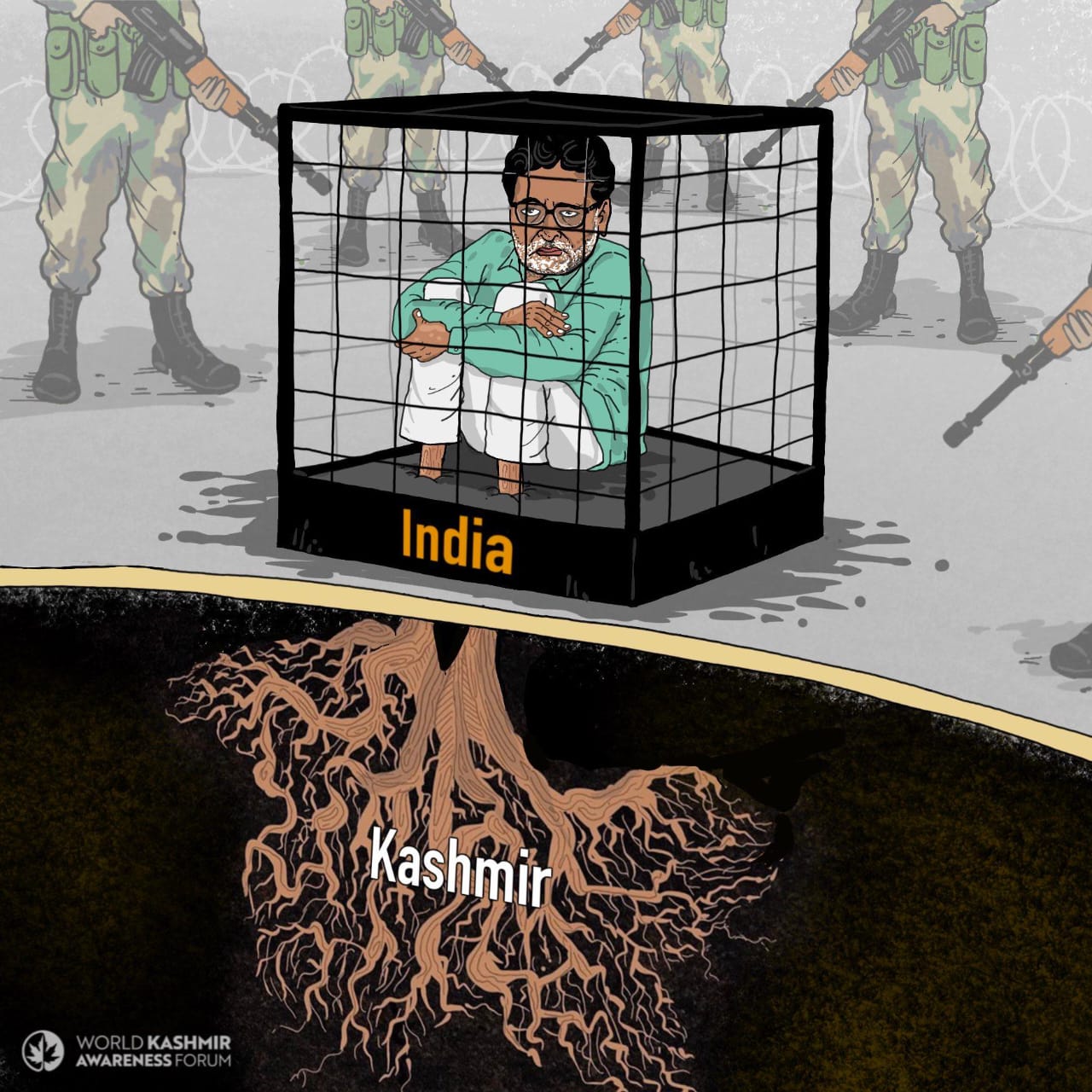
Despite his peaceful advocacy, Malik’s voice has been silenced. In 2022, he was sentenced to life imprisonment in Delhi’s Tihar Jail after rejecting a government-appointed lawyer in a controversial trial. His imprisonment has become a powerful symbol of Kashmiri resilience, but also of betrayal a man who abandoned violence, chose dialogue, and yet found himself punished for that very choice.
Global human rights organizations including Amnesty International, Human Rights Watch, and UN bodies have condemned his imprisonment and called for his release. The UK Parliament has even discussed resolutions in his support. Across Europe and the US, diaspora communities continue to stage solidarity protests, reminding the world that Malik’s silence echoes the silencing of Kashmir itself.
Why Yasin Malik Matters
Yasin Malik embodies the possibility of transformation from armed rebel to peaceful advocate. His life is proof that political struggles can evolve, that dialogue can replace violence.
- He represents Kashmir’s non-violent resistance in the face of overwhelming odds.
- His leadership helped keep the Kashmiri issue alive on the global stage.
- His imprisonment reflects not justice, but the suppression of a political voice.
Malik’s absence is not just personal; it is political. When his voice is silenced, so too is the voice of countless Kashmiris who yearn for dignity, peace, and self-determination.
Raise Your Voice
The story of Yasin Malik is not just about one man. It is about the fate of a people, the future of a land, and the principle of peaceful resistance. His journey from the JKLF’s co-founder to a prisoner of conscience forces the world to ask: What does it mean to choose peace, if peace itself is punished?
Now more than ever, raising awareness matters. His voice may be locked away, but ours are not.
Raise your voice for Yasin Malik. Raise your voice for Kashmir.